
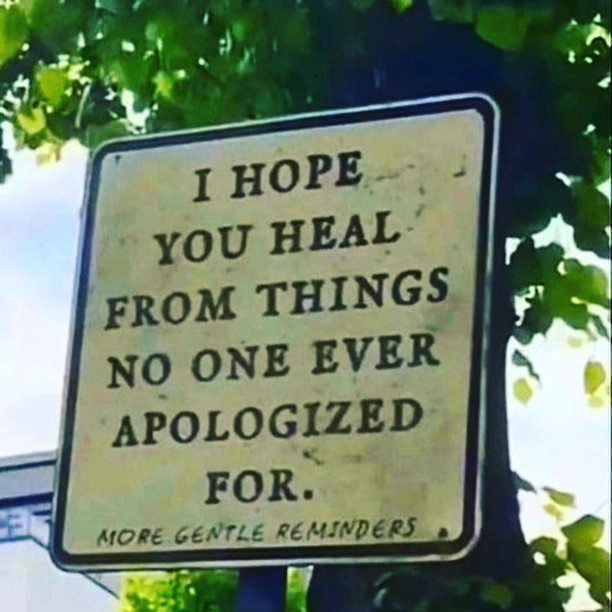
When deep injury is done to us, we never recover until we forgive. ~ Alan Paton
We all have things that we are working on, I’ve done a lot of work over the years on myself. I’ve made a lot of progress and honestly I’m proud of what I’ve been able to do and change over the years. Probably the one area I still have the most work to do on is forgiveness. Intellectually I understand the concept, the quote above is really on point. There is a process and a cycle to all things. In order to heal from being hurt, to finally and completely heal we need to forgive those who have harmed us. This is not an easy thing for me.
The process of healing emotionally has stages:
- Awareness: The first step in emotional healing is becoming aware of the emotional pain and trauma that needs healing. This involves recognizing the feelings and behaviors that are causing distress and identifying the source of the trauma.
- Acknowledgment: The second step is acknowledging the pain and trauma, and accepting that it is a part of one’s life. This involves admitting to oneself that there is a problem and taking responsibility for one’s own healing.
- Acceptance: The third step is accepting that healing is possible and committing to the journey. This involves letting go of any doubts or fears about the healing process and trusting that it is possible to move forward.
- Feel the Pain: The fourth step is allowing oneself to feel the pain and trauma without judgment or avoidance. This involves experiencing the emotions and sensations that come with the trauma, even if they are uncomfortable or painful.
- Grieving: The fifth step is acknowledging the losses that have come with the trauma and allowing oneself to grieve them. This involves recognizing the things that have been lost as a result of the trauma, such as trust, safety, or a sense of self, and allowing oneself to mourn these losses.
- Forgiveness: The sixth step is forgiving oneself and others for any harm caused by the trauma. This involves letting go of anger, blame, and resentment, and finding compassion and understanding for oneself and others.
- Moving Forward: The final step is making a commitment to move forward with a new sense of purpose and direction. This involves creating a vision for the future and taking steps to make that vision a reality, such as setting goals, seeking support, and engaging in activities that promote healing and growth.
I do great with the first five steps of the process, it’s the sixth step where I get hung up. For me I think it’s too difficult for me to get past a sense of fairness. I get bogged down in the idea that if people suffer no consequences then they can’t learn and grow from the experience. And if they don’t learn and grow from the experience, then they’ll likely do it again. I need to put greater faith in Karma and the fact that people who create negativity in the world very often suffer far more themselves than they put on others. But I struggle in truly believing this.
This doesn’t mean I haven’t forgiven, or at least gotten to something really close in my life. We all know that if you’re still angry, if you still have that energy then the pain still owns you and therefore, the person that hurt you is still in control. Given my difficulty in getting to forgiveness, what I look for in life when I’m trying to heal is a lack of energy. When I no longer have energy around something, I feel I’m able to get to moving forward, perhaps not in the life actualization realm, but the issue and by connection the person are no longer controlling any part of my life. Perhaps what I get to is forgiveness light at some level.
The point I hope you pull from this discussion tonight isn’t all that complicated in theory. It’s important for us to clear our lives of the things that bring us down, effect our energy and mood and therefore diminish our happiness. We have to work through the processes needed to rectify these situations. Sometimes this means self-reflection, sometimes it means counseling, sometimes it means cutting the person or situation out of your life. Whatever you have to do, the most important thing of course, is to be able to look at yourself in the mirror and know that you’re working on getting better, getting healthier and having better days. ~ Rev Kane

 The Ministry of Happiness
Great post – I get stuck at the forgiveness stage too, perhaps because its definition is based on the Christian use of the word. Just saying “I forgive you” has never felt right. The Hindu definition of acting with kindness and compassion, while letting go of a hurt, has been (for me) a more useful pathway forward.
Love that, thanks Carol