Happiness, Wisdom, Calvin & Hobbes

Happiness, Wisdom, Calvin & Hobbes

So one of my all-time favorite comic strips was Calvin & Hobbes and it was a depressing day when the final strip was printed so many years ago.  Today an old friend shared with me a wonderful blog piece on the wisdom of life as found in the words of Calvin & Hobbes.  There really is some wonderful advice in the piece and following it could help us all have a happy day, enjoy my friends ~ Rev Kane

happiness calvin hobbes

Posted in personal happiness | Tagged , , , , , , , , | Leave a comment

Random Happiness: Stories of Kindness

Random Happiness: Stories of Kindness

This is my simple religion. There is no need for temples; no need for complicated philosophy. Our own brain, our own heart is our temple; the philosophy is kindness. ~ The Dalai Lama

kindness

Tonight a tour around the web to find stories of kindness to all help us think a little better of our fellow man and have a happier day ~ Rev Kane

Tonight we start with a site dedicated to and containing a whole set of stories of kindness.

kindness

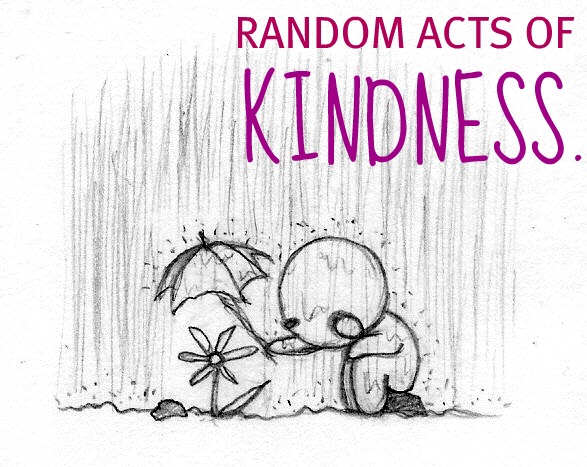
A collection of random acts of kindness.

kindness

Ten touching acts of kindness at the Boston Marathon bombing.

kindness

Finally a story from one of my favorite sites, the Tiny Buddha.

Posted in Random Happiness | Tagged , , , , , , , | 3 Comments

Happiness Moments: The Northern Lights

Happiness Moments: The Northern Lights

photography, travel, adventure

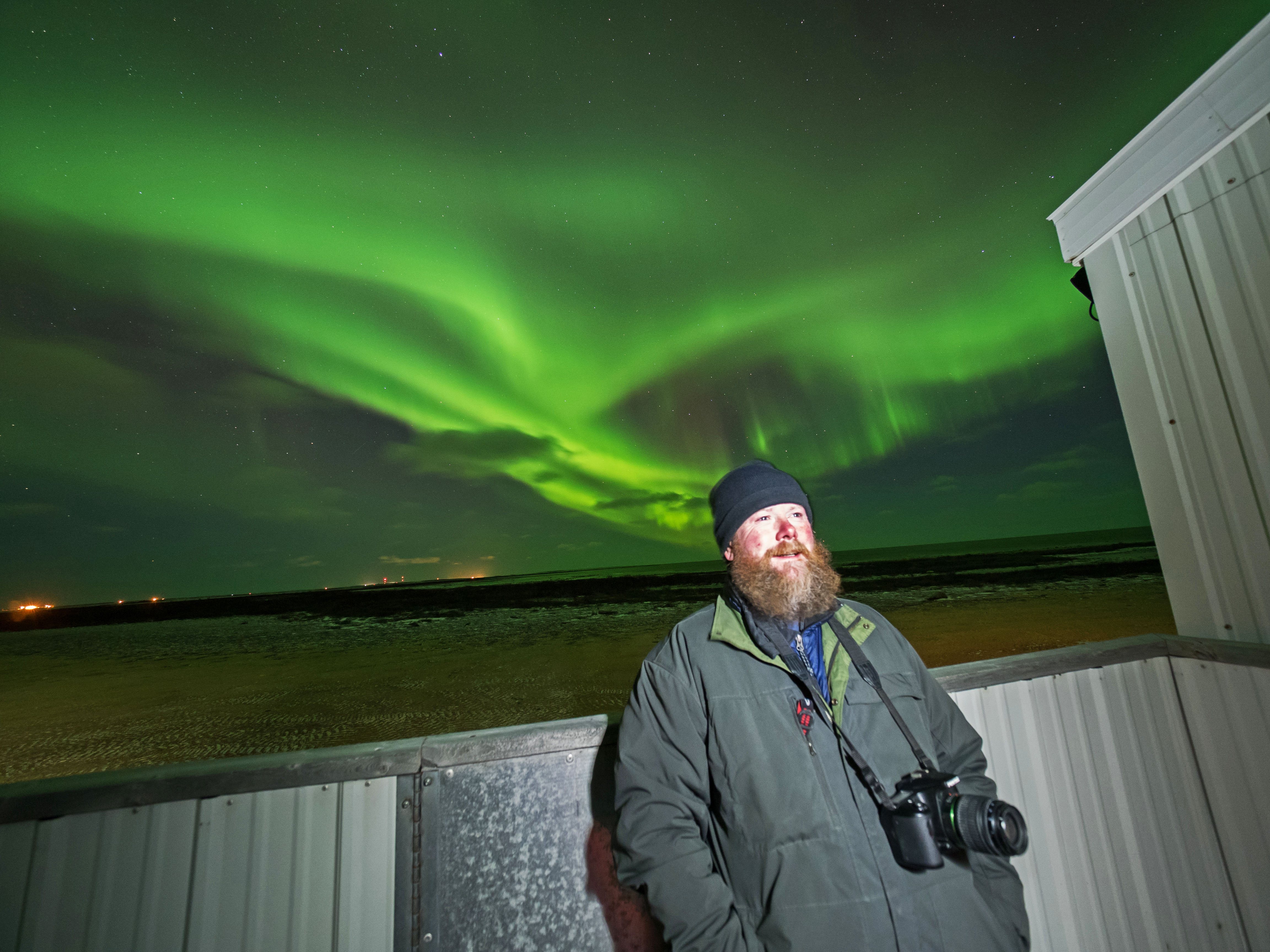
Aurora while photographing Polar Bears in the Arctic

Green is the prime color of the world, and that from which it’s loveliness arises.                  ~ Pedro Calderon de la Barca

So a little writing experiment for the blog. I’ve been wanting to find a way to do some free writing as practice. And I’ve been wanting to capture the moments in my life that have brought me true happiness. I need that little pick me up right now with everything going on in the world and no real chance to travel. So, some writing about happy moments in my life, hope they bring you a little happiness too.

On my bucket list for a very long time was a desire to see the Northern Lights, and for the science minded among you the Aurora Borealis.  For my 40th birthday I decided to go to Fairbanks, Alaska during prime Northern Lights season in order to both visit my 50th state and see the lights.  I traveled to Alaska near the end of winter, heading very close to the Arctic Circle.  I was told I picked a good time, the night before I had arrived, there had been an absolutely wonderful display.  Unfortunately, for the next three nights that I was in town, I would spend hours freezing my ass off staring and dark, clear, starry skies with no lights.

It would be another ten years before I would make another attempt to see the Northern Lights.  Again, I combined it with another bucket list item, this time, photographing polar bears in the wild.  So I headed up to Winnipeg in Canada and jumped a prop plane over to Churchill, Manitoba a town known as the Polar Bear capitol of the world.  The reason for this is that Polar Bears hunt seals off of ice flows in the Hudson Bay.  Over the eons, the bears have learned that the bay near Churchill is where the ice freezes first each year.  This has to do with a small peninsula near Churchill and the counter clockwise flow of the currents in Hudson Bay.  So as winter approaches, Polar Bears head for Churchill.  I had booked an excursion in which I would get to sleep out on the Tundra for two nights and spend three days prowling the tundra in rovers looking for and photographing Polar Bears.  It was an utterly amazing experience and I think you’ll find the photos in the piece that I’ve linked to absolutely wonderful.

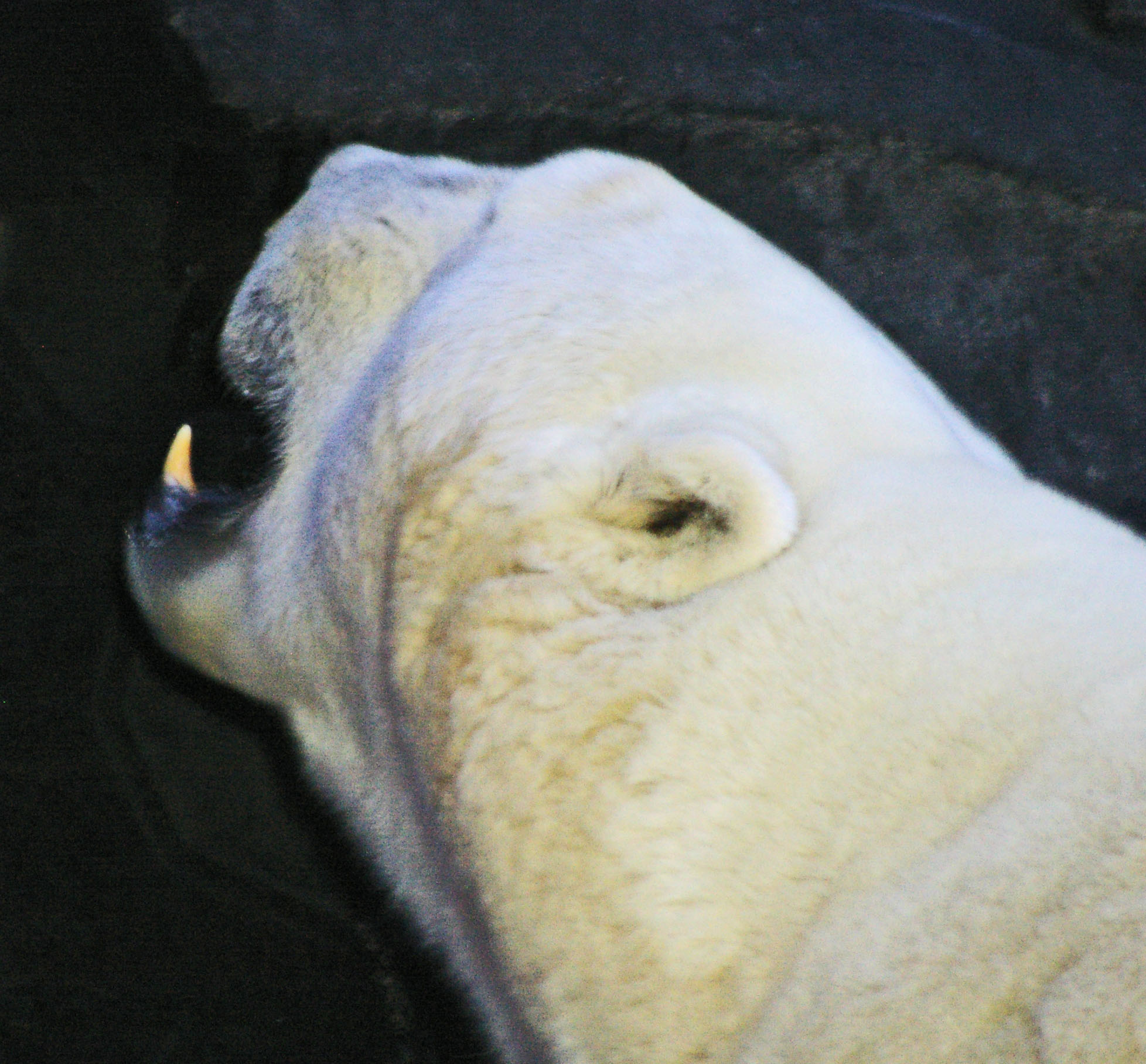
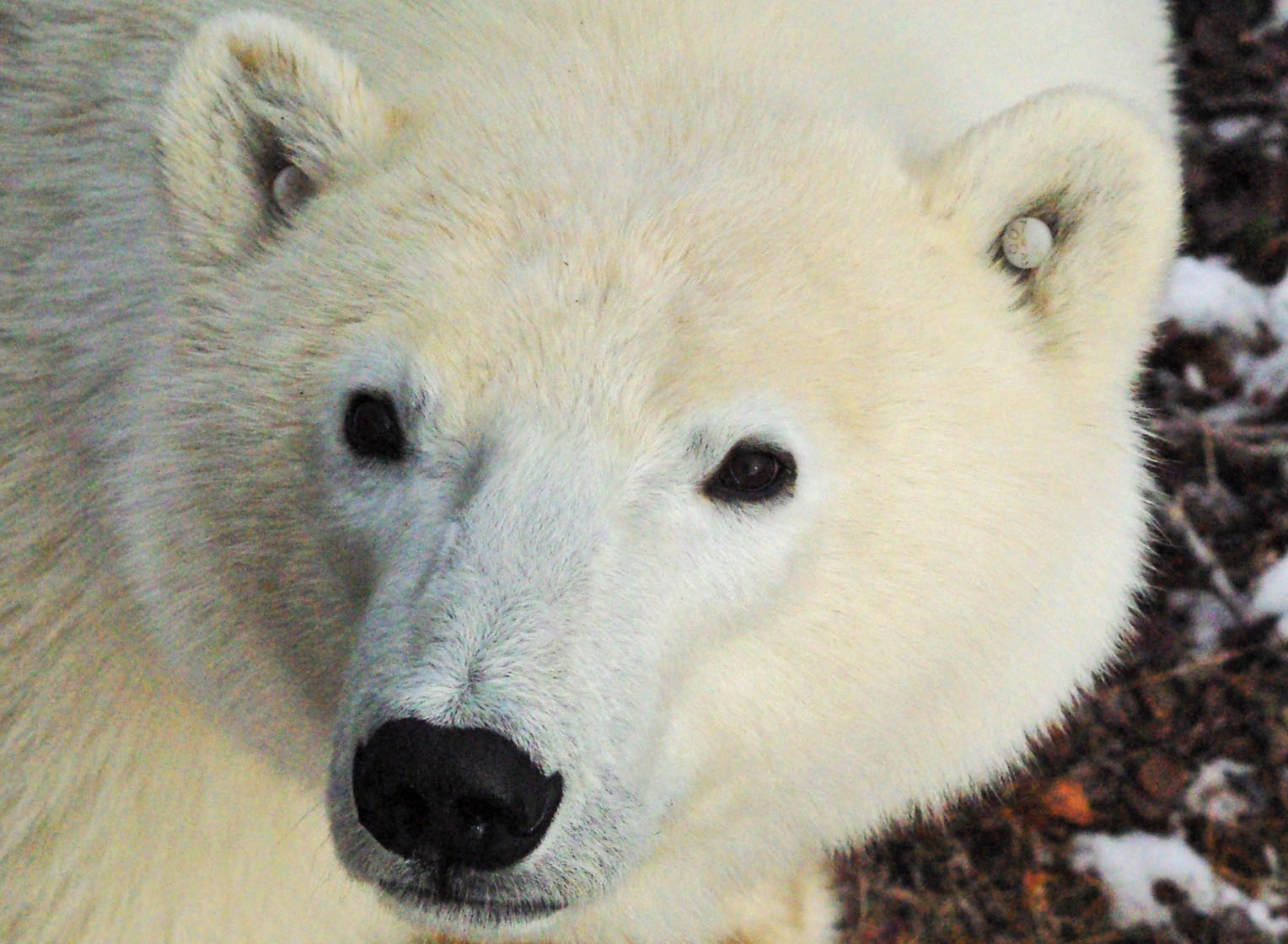
polar bear, arcticpolar bearOur schedule each day was the same, get up early, eat a wonderful breakfast.  Pack our gear, get on the rovers and head out looking for Polar Bears for the next six hours.  We had bag lunches on the rovers and as you can see above, got up close and personal with the bears and got some great photos.  They look so sweet and cuddly, but at this point most of these bears haven’t eaten for six months.  So that look, that seems like come pet me, is actually c’mon just a little closer, closer…seriously, they wouldn’t hesitate for a second to kill and eat you.  This is especially on your mind when walking around Churchill itself, where bears are enough of a threat that no one locks their car doors.  This is so that if someone encounters a bear on the street they can jump into a car to escape.

At the end of each day, we’d return to our giant lodge on wheels, eat a wonderful dinner and then have a group meeting to review the day and plan the next.  Each night when you go to sleep, instead of a do not disturb sign, you get a please disturb sign to put out if you choose.  This is to tell the staff that if there are Northern Lights, the SHOULD wake you up.  Our second night out on the Tundra, as our briefing wrapped up, someone inquired about the signs and the staff said, no need, get your gear.  The lights had already started.

They began as a thin green curtain on the horizon that continued to grow higher and higher in the sky.  You can see from the photo above that the entire sky in one direction would end up filled with green light.

northern lightsAt one point, as the green lights rose up high in the sky, someone said, “oh my god, turn around”  In the other direction a very similar thing was happening but these lights were red.  They had already risen nearly over our head and soon the two lights were almost touching.  Now I should stop here, because no one will believe what I’m about to say and I don’t blame them.  What happened next, I don’t even think is scientifically reasonable to tell you what happened.  But as we looked over and then up, the two sets of lights overlapped and then they swirled together.  I can’t explain it scientifically, and we were all completely blown away, a deck full of photographers, standing, staring at this amazing sight and you couldn’t hear a single camera clicking.  It was the most amazing thing I’ve ever seen, so beautiful that tears rolled down my cheek and froze to my face and beard.  As quickly as they had come together, they quickly dissipated.  It was one of the happiest moments of my life.  The next day in Churchill even the locals were talking about the display, one waitress told me that she’d lived there for twenty years and it was easily the best display she’d ever seen.  I am a fortunate man indeed.


Posted in personal happiness | Tagged , , , , , , , , , | 1 Comment

My COVID Times Diary: For the last time, this is not JUST a flu!

My COVID Times Diary: For the last time, this is not JUST a flu!

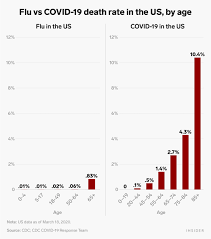
COVID death rate vs fluWe live in a fantasy world, a world of illusion. The great task in life is to find reality.       ~ Iris Murdoch

We are now almost eleven months into the COVID-19 pandemic here in the US.  I typically use the date of March 12th as the starting date for the pandemic as that was the day my college closed down and we started working from home.  I understand that in fact the virus had been in the country for two to three months at that point.  And that some places like New York City, were already full blown into the impact of the pandemic earlier.  But for me it’s a convenient and easy to remember starting point.  And although we are nearly eleven months from that date, to my amazement I still frequently see people who continue to claim it’s all publicity stunt, a hoax, that this is really nothing more than the flu.

I’m going to keep this simple and straight forward tonight.  The graph at the top of this piece shows the death rate difference between the flu and COVID.  Although the age ranges are not perfectly aligned, if you look at the death rate for the flu for people in their fifties is less than 0.1%, while the death rate from COVID is around 2%, that’s 20 times higher.  And as is very clear from both graphs, the risk of death from both diseases increases with age.  However, with COVID, the death rate as you get older is magnitudes larger.  Now, people have trouble with percentages and rates of increase, so let’s simplify it further still.

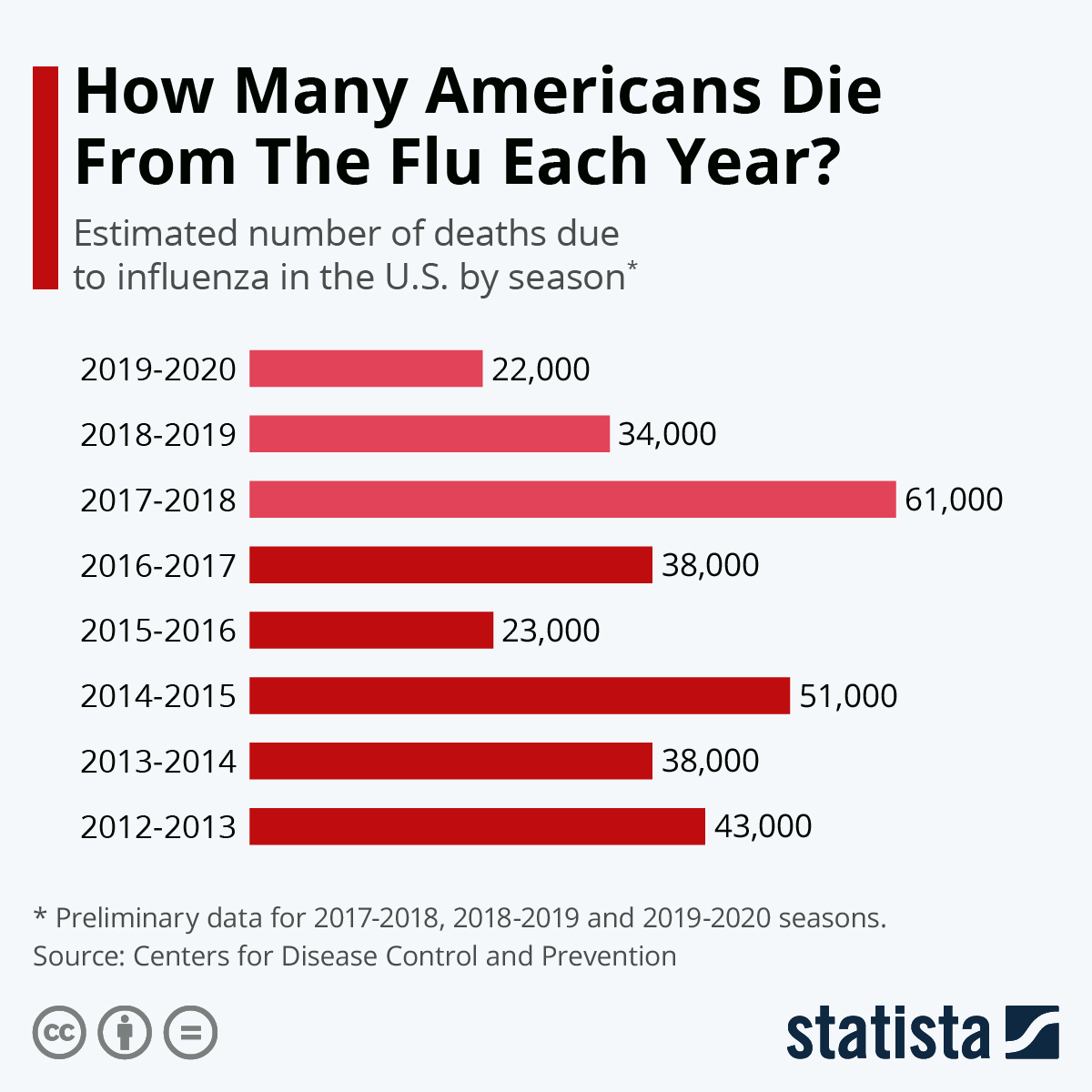
As you can see from the figure directly above, if you add the total and divide by eight, you find that the average number of flu deaths per year, over the last eight years is a little less than 39,000 people per year.  The number of deaths in the US currently, according to the CDC COVID tracker, is almost 440,000 people.  Now one thing I hear all of the time is that the COVID numbers are inflated, hospitals are calling any death a COVID death.  There is of course no evidence of this what so ever.  But ok, let’s halve the number of COVID deaths, so instead of over ten times as many as a flu year, it would be over five times as many.  When you look at the figure above you’ll see that the worst flu year in the figure is a year of 61,000 deaths.  That’s one seventh of the deaths we have had in less than a year.  And currently over 3,000 people a day are dying, so another month of this could see as many as an additional 100,000 deaths.  In the month of December there were over 65,000 COVID deaths in the US, that means in a single month more people died of COVID than die in the worst of flu years.  It doesn’t get any simpler than these death numbers, COVID is killing significantly more people than flu ever does.  Additionally, this massively higher death number  occurred while we actively reduced social contact and, at least at the state and county level most places, encouraged mask wearing.  So these higher death numbers occurred in a social situation established to limit the spread of the disease.  Had we not done that, the death rate would have been even higher.

But in addition to the massive death rate from COVID, there is another issue that doesn’t occur with the flu, long COVID.  Long COVID is a situation where people often have long-term lingering effects from having COVID.  These include things like headaches, fatigue, shortness of breath, and often for months after they have recovered from an active COVID infection.  lt is too soon to tell if some of these impacts will last for years, or may even lead to permanent disabilities for these people.  So not just more death, but more suffering as well.

There is simple and obvious evidence that COVID is a far more serious issue than the seasonal flues that we deal with annually.  The only way someone doesn’t see or understand this comes down to one thing, they have simply decided not to see it.  They are refusing simple basic math and choosing instead to opt for conspiracy theories and fantasy.  The pandemic seems to have exacerbated this type behavior in the weakest among us which is unfortunate.

Posted in Life in Covid Times | Tagged , , , , , , , , , | Leave a comment

Fear is Killing Your Happiness

Fear is Killing Your Happiness

fearWe can easily forgive a child who is afraid of the dark, the real tragedy is when men are afraid of the light ~ Plato

One of the biggest problems I see in society these days is fear.  It most often shows itself in the form of worry, people are afraid and so they worry about so many things that could go wrong, or harm them, or might happen.  I’ve written about this problem before in a piece entitled, Worry the enemy of happiness.  But today I want to talk more specifically about fear for two reasons.  First I see people expressing a lot more fear these days than I ever remember hearing and seeing before.  Secondly, most of the things that we fear are irrational.

I often hear people, usually people who want your support in some way, saying how smart people are and I’m not sure I agree.  Now you know you’re smart so of course that statement must be true.  However if it was, I don’t think we would so often see people letting their emotions overwhelm they’re intellect.  You may argue people are smart but they don’t use it.  This is like arguing that Billy is a really fast runner, he just never runs fast.  Possibly true, but not very likely.  What is often said about people that I do agree with is that people fundamentally want to be good and kind and happy.  I have seen this demonstrated, not so much in day-to-day society but in times of deep sorrow and tragedy.  People get caught up in a me first attitude day-to-day, but when confronted with the truly harsh realities of life their better nature usually comes to the fore.

Let me point out, in relation to our fears, exactly why I’m not convinced people are very intellectual.  I know perfectly fine human beings who climb into a car and drive every day without a care.  In the United States, nearly 33,000 people died in car crashes in the United states in 2013, nearly 100 per day!  Those exact same people will not wade more than ankle-deep in the ocean because they are afraid of sharks.  On average in the United States, ONE person per year is killed by a shark, six are killed worldwide.  There are normally less than twenty shark attacks in the US each year.  Our fears about sharks I have a feeling went up significantly in the 1970’s with both the book and the movie Jaws.

01Our fears are driven not by an intellectual evaluation of risk but our emotional reaction to the object of fear.  In the last ten years, less than 100 Americans have been killed in the US by terrorists.  If you want a bigger number you can go back to 9/11 and the total will be somewhere in the neighborhood of 3200 people in the last fifteen years.  In the last ten years, there have been roughly 300,000 deaths due to gun violence in the United States.  Yet I hear much more concern about terrorists coming to the US to kill us than I do about fearing gun violence from other Americans.  Again, this is driven by emotion not rational risk analysis, but I get it, the image of planes flying into towers, massacres in the streets of Paris, news of deaths in San Bernardino cause an emotional reaction.

Having an emotional reaction to something terrible is utterly normal, reading about someone being attacked by a shark or killed by a terrorist at a cafe should elicit a fear response.  That you react emotionally to the event does not impact your happiness.  How you choose to react and act past that initial response is what can damage your happiness.

If your reaction to shark attacks is to spend hours worrying about a shark attack before you go to the beach you’re impacting your happiness.  If you are unable to enjoy yourself in the water because you are very afraid that impacts your happiness negatively.  Worst of all, if you won’t go to the beach at all, or won’t go on a cruise or let your kids swim in the ocean you are letting your fears keep you from doing things that will very likely make you happier.  Some may argue that if you have that fear then staying home is the best option, you’ve escaped your fear and aren’t stressing.  But I’ll give you another way to look at this, you’ve let your fear dictate the way you live your life and have reduced the number of positive experiences you are able to have.  If you begin to avoid everything that harm you pretty soon you’ll be living in a padded room.

I see the same thing with terrorism, yes, there are people in this world who are willing to kill you.  They want to kill you for nothing more than your nationality, religion, color of your skin, sexual orientation or any number of other things that someone has deemed is wrong.  For this reason I see people speaking out in unkind ways about people they have never met.  I see political leaders using this fear as a foundation for bigotry.  Hatred and suspicion will never be a path to kindness, generosity or happiness.  And I would argue that most people see themselves as kind, generous and want to be happy.

When we come back to actual risk however, we see that terrorist truly pose very little risk to our lives.  This does not mean we shouldn’t work to reduce that risk for us and others, but it also doesn’t mean we should act in ways that are counter to our core values.  In particular where refugees are concerned, I believe we should continue to vet refugees the way we do, do a good job of weeding out those who mean to harm others.  We have the data that in fact shows over the last ten years there has been very little risk created from the hundreds of thousands of refugees we’ve admitted to this country.  We typically admit about 70,000 refugees per year into the United States.

04I don’t think we should fantasize that we can ever devise a perfect process, or that people may not change after they are in the United States for years.  We’ve seen this fear before in the United States, fear of Italians, of Jews, the Irish, Mexicans and Communists.  And yes, throughout our history we’ve allowed folks to immigrate to the United States who have turned out to be mafia members, criminals, Communists and others who were not a positive force on our society.  But this number has always been small, we emotionally fear the new, those we see as other, in reality these people have always and will almost certainly always pose a very small risk to each of us.  On the other side think about how these people have enriched our society and culture, it is part of what makes America the envy of the world.

02So let’s get back to being happier in our daily lives.  We need to reduce the fears that we have and hopefully this will lead to reducing worry and the stress that it brings that is so detrimental to your health.  My recommendations are as follows:

  1. Reduce your news intake, particularly your cable news intake.  You don’t need to watch 4 hours of coverage about the latest attack regardless of where it is or how many people have died.  Understand that local news also has a formula that will cause you unnecessary worry.  Whatever tragedy occurs, attack, earthquake, meteor strike, Ebola, local news will always do a story, entitled, <insert horror> can it happen here? Even if the answer is no that story will still make you worry.

2. When you do start to fear and worry about something, do a reality check.  I’m afraid of Ebola, let’s see how many people have ever died of Ebola in America, zero, ok, maybe I shouldn’t be so worried about that.  It may not eliminate the worry but it should put it in proper context.

3.  This will seem counter intuitive, but scare yourself, stretch yourself.  I am a huge proponent of adventure leading to happiness.  I can tell you from personal experience, the more you test and scare yourself and succeed, the more you will begin to realize that your fears aren’t as real as you believed them to be.  And focus on that, if you’re afraid of shark attacks go to the beach and just watch.  Lot’s of people frolicking in the surf and no one is getting voraciously consumed by the epitome of swimming death.  Focus on the reality of your experience instead of the fantasies of your fears.

4. Finally, actively work to stay positive, when you are worrying or afraid, ask yourself is there another way to look at this situation?  Instead of focusing on the 6 shark attacks this year, how about focusing on the hundreds of millions of people who swam in the ocean without being attacked.

I hope these tips can help and I want to make a final comment related to social media.  It’s easy to express your fears behind a computer screen and to dismiss other opinions.  Online we seek out others who echo our opinions, be careful.  If we have a fear about sharks and we post and read posts about shark attacks, the algorithms for sites like Facebook will feed you more posts about shark attacks.  In those posts you see lots of comments for people with the same fears which amplifies and confirms your own fears.  Be smart about how you use social media and don’t respond to others who disagree out of emotion and fear.

03So my friends, try to reduce your fear and worry, try to focus on more kindness and generosity and have a happy day.  I’ll end this piece with one of my favorite quotes from Frank Herbert’s novel Dune, I have always found these words to be profoundly wise and have quoted this to myself at times when I was truly afraid. ~ Rev Kane

I must not fear. Fear is the mind-killer. Fear is the little-death that brings total obliteration. I will face my fear. I will permit it to pass over me and through me. And when it has gone past I will turn the inner eye to see its path. Where the fear has gone there will be nothing. Only I will remain.          ~ The character Paul from Frank Herbert’s Dune

Other Posts You Might Enjoy!

Remember the Sweet Things The best story you’ll ever hear!

Happiness, Worry & The Dalai Lama’s Thoughts

Why I’m Happy Right Now!

Happiness Resources, Positivity, Kindness & Gratitude

Stories of Kindness

Posted in personal happiness | Tagged , , , , , , , , , | 123 Comments

Happiness Tips

Happiness Tips

happiness volunteering

So I thought tonight it might be interesting to post a number pieces that share tips on living a happier life, if for nothing else than to see what the overlap was, have a look and have a happy day my friends ~ Rev Kane

From Deepak Chopra

From LifeHack.com a pretty standard list

From the Happiness Institute

52 Tips from Zen Habits

37 tips from Daring to Live Fully

12 Tips for a happier day

From WebMD, 6 tips for overcoming barriers to happiness

How $10 can get you 7 hours of happiness

15 Tips to boost your well-being and fitness

7 tips to cultivate gratitude 


Posted in personal happiness | Tagged , , , , , , , | Leave a comment

Remember the Sweet Things

Remember the Sweet Things

The best way for a person to have happy thoughts is to count his blessings and not his cash.  ~Author Unknown

 orange

This is a repeat of an old post but one I think is really special ~ Rev Kane

First I have to thank a friend, Krissy for providing the link I’m going to share with you today.  The link below is to a site that offers an audio recording from a story teller about riding the bus one day.  On that day, on that bus, he encounters an old Jewish man who produces for him an orange and asks him what he thinks of it.  The younger man doesn’t think much of the orange, it’s an orange.  The old man goes on to explain what an orange is and can be, the clip is a six minute listen and if I may be so bold will be the six most intense and thought provoking moments of your day, give it a listen:

The Orange

Hey you, yes you, the person who just skipped over the link because you don’t really have six whole minutes to spend on listening to a story about an orange, shut your office door, turn off the TV, or whatever can distract you and listen, six most intense, thought provoking and beautiful minutes of your day.

Remember the sweet things, the things that taste sweet, that look sweet, the sweet moments of your day, your life and even more importantly provide a sweet thing or moment for someone else.  Maybe it’s a friend or a relative’s birthday.  Well take a minute and don’t just leave happy birthday on their phone, let it all hang out, sing happy birthday with all of your might, out of tune and ridiculously and give them a really sweet happy birthday.  Even just a hug today, unexpectedly and out of the blue for someone can be the sweetest thing, you never know what the person next to you is going through and that hug can be a sweet thing for them to remember and can make them have a happy day my friends ~ Rev Kane

Let us be grateful to people who make us happy, they are the charming gardeners who make our souls blossom.  ~Marcel Proust


OTHER POSTS YOU MIGHT ENJOY!

On Being Present in Your Life

Happiness is Being Grateful

Slow Down

How Travel Makes You Happier

Fear is Killing Your Happiness

Our Best Happiness Posts of 2015

My favorite Appalachian Trail Photos of 2015

Why I’m Happy Right Now!

Posted in personal happiness | Tagged , , , , , , , , , | 20 Comments

Strategies for long-term work success

Strategies for Long-term Position Success

pulling your hair out


It’s not stress that kills us, it’s our reaction to it. ~ Hans Selye

I wrote this post recently for one of my other blogs, Higher Ed Mentor and I thought it was worth a repeat her at the Ministry of Happiness.  The post focuses on positions in education but I think the advice is applicable in any field.

Many positions in education can be highly stressful.  Particularly higher education management positions at the Director or Deans level.  These positions are very often your prototypical middle-management positions.  What that means is that these positions have a large amount of responsibility and often unfortunately, very little authority or power.  Now, I know a lot of other educational professionals, from instructors on up likely feel the same way and I know that there are plenty of jobs outside of education that also feel the same way.  A big part of the problem is that in these positions it often feels like a one-way street.  You are expected to provide support, service and even comfort to the people that you are responsible to and for, this means you are available 18 hours a day, you work long and a lot of hours, and at the end of the day there is limited thanks.  This might even be tolerable if it wasn’t for the fact that the attitude that often pervades is what have you done for me, not even lately, but today.  And while there are constant demands that never seem to end, very often from above there is limited recognition, limited praise and worst of all, limited understanding.  The attitude often seems to be that you are eternally expected to always be professional, always be responsible, always have to be the bigger person no matter how unprofessional, aggressive and nefarious the people you supervise act.  And because that is exactly what you do, remain professional and work by the book, you end up having to eat the treatment and the attitude.  It’s the constant dealing with the lack of appreciation, double standards and living in the middle that makes these types of jobs so difficult and stressful.

Being an old dog in the system, having been a dean for almost fifteen years, I often have people who are early in their administrative career request to talk to me about being a dean.  Recently, a relatively new dean came to me and asked me, “how have you done this for so long?”  And it’s a fair question, the answer, really comes down to two things for me.  First, I’ve taken an unconventional career path.  Over the last ten years or so, I’ve taken breaks.  Whether it’s been a nine month sabbatical to train and then spend a month hiking in the high passes of the Himalayas, taking a year off to hike the Appalachian Trail, or most recently taking a year to hike and travel in Europe and then live in Oaxaca City, Mexico for three months, I’ve broken up my time at work.  Taking gap years and coming back to the system has some of it’s own stress and nervousness but what my path has shown is that it’s possible to do that and remain successful.  And I realize that’s not something most people will do, although more of you could, it just takes planning and desire.

The second answer to the question is some basic rules that I follow in order to keep myself sane in this type of position.

Don’t make it personal

You have to have the ability to separate who you are in the role, versus who you are as a person.  So for me, Dean Kane and Michael are not the same person.  Now I know a lot of people have a problem doing this, it goes against what we are told in our society that we are supposed to do.  In America, you are supposed to wrap up your self-worth in your position.  When asked who are you, or what do you do, we answer with our job title.  You are not your job, you are so much more, your job is a facet of who you are and you need to treat it that way.  I will add a caveat, there is a small subset of us out there who have found it, our perfect job.  A job that we love so much, that brings so much love and fulfillment that you can’t wait to get out of bed in the morning to start doing it, for them, none of this applies.

I was once in a management retreat, there is a whole post I need to write about “retreats” but I digress.  In this management retreat we were asked to raise our hand if our job was only a job, not something more.  Two of us raised our hand, it was one of the most judged moments of my life.  You could see the disappointment and outright disrespect on people’s faces.  The executive leading the retreat immediately jumped in to say, it’s ok, people have a right to feel that way.  As if treating your job as anything less than the central core of your life is wrong.  So because it is such an ingrained thought, I will repeat, your job is a facet of your life, it doesn’t have to be the central core.  And once it’s not the central core of your life, it should be treated as such.  That doesn’t mean not being dedicated, or not doing a good job, it just means you recognize life is more than just work and that you can develop a satisfying work/life balance.

Remember why you do it

There is a lovely benefit to working in education, the work we do is quite noble.  At the end of the day, regardless of your role in education, we are working to help people better their lives.  This is an important thing to keep in mind as we work in highly stressful and difficult roles.  We put up with the difficulties because at the end of the day the work we do is helping the process that leads to people bettering their lives.  It can at times be a tenuous connection and difficult to see but it is legitimate and important.  The further away you get from directly working with students, the harder it is to see this connection.  Most of us started by working directly with students.  As an instructor I got to see first hand those light bulb moments for students.  As a student program director I got hear directly from students who I had helped get scholarships or helped successfully transfer to excellent institutions.  As a dean, I no longer have those experiences with any regularity, so keeping in mind the impact we have needs to be a more conscious effort.

Keep a solid work/life balance

I can’t emphasize this enough.  I have written extensively and done keynote speeches at conferences on the concept of developing a good work/life balance.  It has been my experience that the more motivated and dedicated people are, the worse they are at maintaining this balance.  There are a lot of things that we can talk about in this space, but for the sake of brevity I’ll limit myself to several of the more important points.  First, you have to be committed to the idea.  In most of our jobs there is literally a never-ending and repeating cycle of work.  This means that no matter how hard you work, there will be more work to do tomorrow.  I see this with staff who don’t take vacation.  Often, they are so afraid of how much work will build up while they are on vacation that they limit the vacation they take.  What’s worse, when they do take vacation, they end up checking email and working while on vacation defeating the very purpose of vacation.  So you have to commit to downtime and taking vacations where you actually step away from work.  Likewise, you have to have downtime each week, NEVER work seven days in a row, mostly because it’s nearly impossible to do.  What I mean by that, is that once you’ve worked that seventh day, you now are into the next week and will work five more days, twelve in a row in total.  So one of my cardinal rules for work/life balance is to always have at least one day a week where I do no work, no checking of email, no going to campus and as much as possible not even thinking about it.

Especially now during the pandemic you have to maintain a wall between work life and real life.  For me, I do some very deliberate things.  I do not friend anyone I work with on Facebook.  I save that piece of social media to be as much as possible a work free space.  A place where I can be completely myself without worrying about how that will impact my work life.  We all wear masks in every situation and the masks we wear are work are different from the masks we wear with friends, I try and keep them separate as much as possible.  Especially when working from home it’s easy to blend the two.  Do your best to have a space in your home that is a work space and nothing else.  And only work in that space, it’s an artificial wall, but one you need to create and adhere to as much as possible.  I realize, particularly if you have children at home, this can be incredibly difficult, do the best you can.

Have allies to talk to

We all need to express our frustrations to people who can truly understand what we are going through.  Our partners and friends can certainly sympathize with our feelings and provide emotional support.  But there is a difference when you can talk with someone who can truly understand where your frustrations come from.  One of the advantages of being an old dog in this business and having worked at multiple colleges is that I have former colleagues to talk to.  People who understand the difficulties of the position, who’ve been through the same sorts of frustrations that you have been through as well.  They get it, they can truly understand and commiserate with you and even better can give you suggestions about how to deal with the frustration.

Have a career plan

It’s very important that you have a career plan, I know this because we tell our students to do this.  So what’s next for you?  It’s important to understand how long you’ll be in the position, what position you’re heading for next or if not a different position what’s next for you?  This isn’t so much so that you have something to be locked into but so that you have a direction and something to look forward and work toward that isn’t your normal job.

Have a dream

I think we all need two dreams.  The first I call the lottery dream, what would I do if I won the lottery.  It’s the reason I buy lottery tickets.  As someone with a science background I can be a bit too rational at times.  So dreaming my lottery dream doesn’t work so well if I haven’t bought a ticket.  So I consider my $1 Superlotto ticket as my admission price to dream that dream.  The second dream for me, very much is, the what’s next dream.  I’m about six years out from retirement and I have dreams and plans about what life will be like in retirement.  Much like the career plan we discussed, I think it’s important to have a plan to achieve your dreams.  So of course, my lottery dream may include having a house in Maine and in Monterrey, but my secondary dream certainly can include a house in Maine in retirement.  Again, this provides me with an outlet away from work.

Do the little things to relieve stress

There are lots of little things we can do every day to help reduce our stress.  The first is to take email notifications off of your phone.  I had them on until we got into the pandemic, once work from home started I felt a need to even further separate my two realities even more than I normally do.  And even though seeing the notifications didn’t mean I would do anything, it put me mentally back into the workspace and that would lead to stress.  Another thing that is important, is to take breaks during the day, it’s so easy to get swept up in the day, eat at your desk and not take breaks.  Along with that set boundaries on your work hours, stop answering email and calls after a certain hour and not before a certain hour in the morning.  Finally, find both physical and mental outlets for your energy.  This might be meditation or Sudoku, drawing or painting anything that you enjoy that you can lose track of time while you’re doing it.  And do something physical walk, hike, run, swim or workout something to get your body moving and burn off the stress.  And finally, get enough sleep each night.

The thing is that I can absolutely tell when I’ve let some of these things start to slide in my life.  I start to feel off, things don’t go right, I start getting short with people.  Our jobs are really stressful and difficult, hopefully some of these tips can help you feel more comfortable in your position.
Posted in personal happiness | Tagged , , , , , | Leave a comment

Finding Silver Linings in Hard Times

Finding Silver Linings in Hard Times

happy, sprinkler

It’s funny how, when things seem the darkest, moments of beauty present themselves in the most unexpected places. ~ Karen Marie Moning

Modern live is full of anxiety, our 24 hour news cycle and the internet keep us thoroughly informed of every disaster, horror and reason for worry anywhere on the planet.  Add to that an actual worry with the coronavirus outbreak and life can be anxiety filled indeed.

During these times we have a lot of things we need to be doing.  Many are losing hours due to lack of work, stores are running out of certain foods and health products.  We are worried about getting us or loved ones getting sick and trying to follow the social distancing protocols the government is asking us to entertain.  People are being inconvenienced in so many ways, lack of child care, canceled trips and vacations, having to find new ways to work remotely.

So where are the silver linings?  They’re actually all around us.  Social distancing and isolation sounds really terrible.  But let’s also remember that social distancing doesn’t mean you have to stay locked in your house.  You can go out for a hike, or a stroll in a park.  I saw a family today playing ball together in a field.  This can be an opportunity to do some family activities together that don’t involve electronic devices.  Lord knows we will all get plenty of time during this time of coronavirus to burn through our Netflix, Hulu and Amazon Prime ques, while adding new services like CBS All Access, Disney+ etc…  But you also have time to read and get your kids to read more.

Although I’m a huge introvert and already spend a lot of time socially isolated, I will have even more time at home.  So how am I going to use this extra time to my advantage?  Mostly I’m going to put energy into things I always want more time to do.  So I’ll be writing more, working on my Spanish, practicing guitar, doing some photography and organizing photos.  This is a chance to cook more and get creative cooking with what you have in the house.

For those of you with the difficult task of keeping children entertained during this time.  there are a lot of possibilities.  Hopefully you stocked up on arts and crafts supplies, there are lot of internet resources including virtually experiencing the flight of Apollo 13, lots of museums who’ve put parts of their collections online and it’s a great time to help kids expand their skills.  Build something with them, paint something and just play silly games with them.  Make up crazy stories, who knows, you could turn into the next J.K. Rowling or JRR Tolkein.

Basically, as always, happiness and your attitude are a choice.  You can choose to feel trapped and miserable and get lost in worry.  Or you can take it as a fun challenge and find ways to make it enjoyable.  But I’m not stupid, I realize that at some point if this goes on long enough it will get frustrating, you’ll get down.  So remember to also be creative about finding ways to take care of yourself and get what you need.  Feeling better also helps keep your immune system working.  So have happy days my friends and stay well and safe.        ~ Rev Kane

Posted in personal happiness | Tagged , , , , , , | Leave a comment

My COVID Times Diary: Peaks

My COVID Times Diary: Peaks

Everest

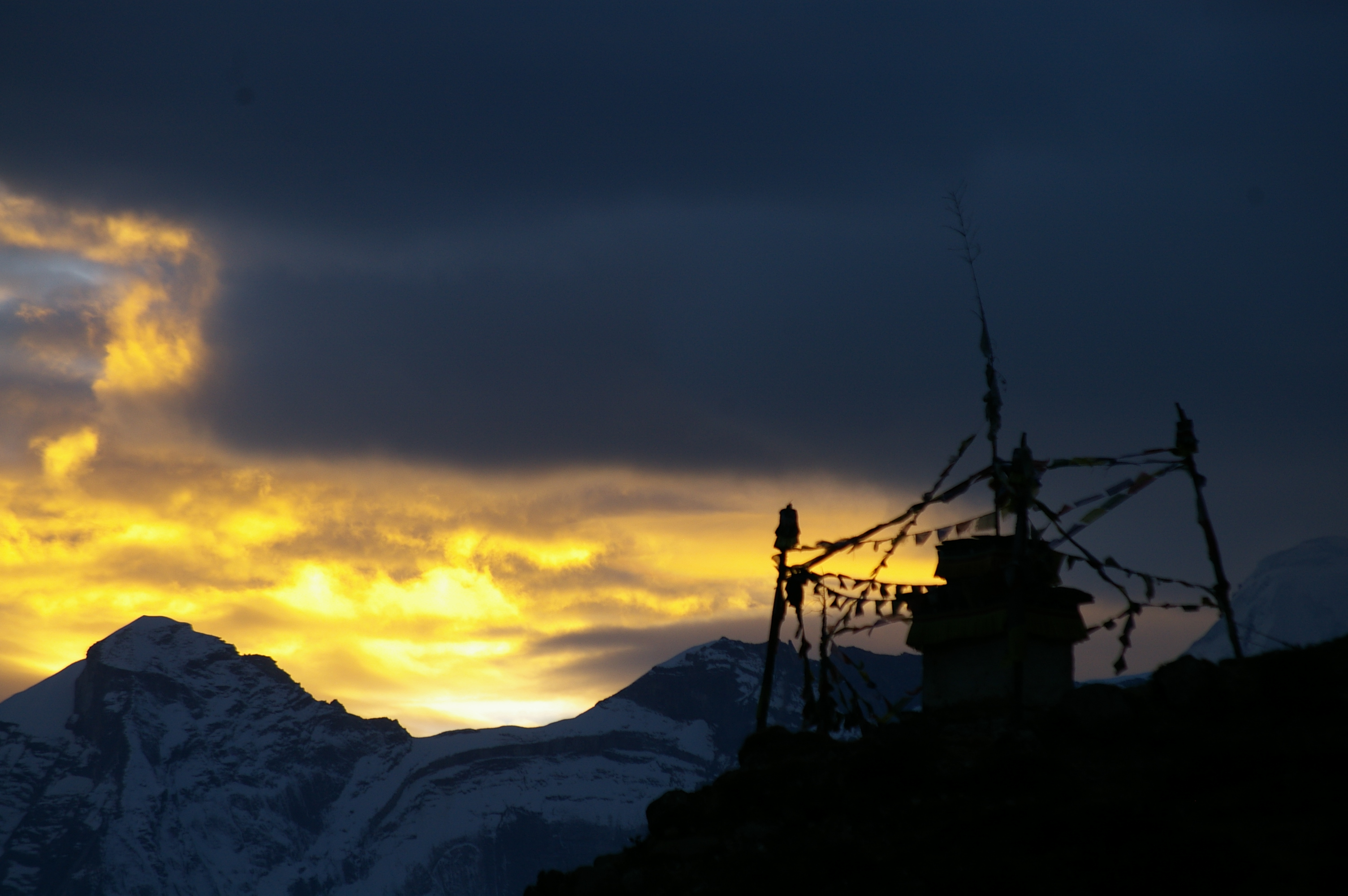
Sunset in the Himalayas

The only way to get to that next peak is to be ready for that next valley. Being raised Irish, you know to always be ready for the bad times. ~ Rory O’Malley

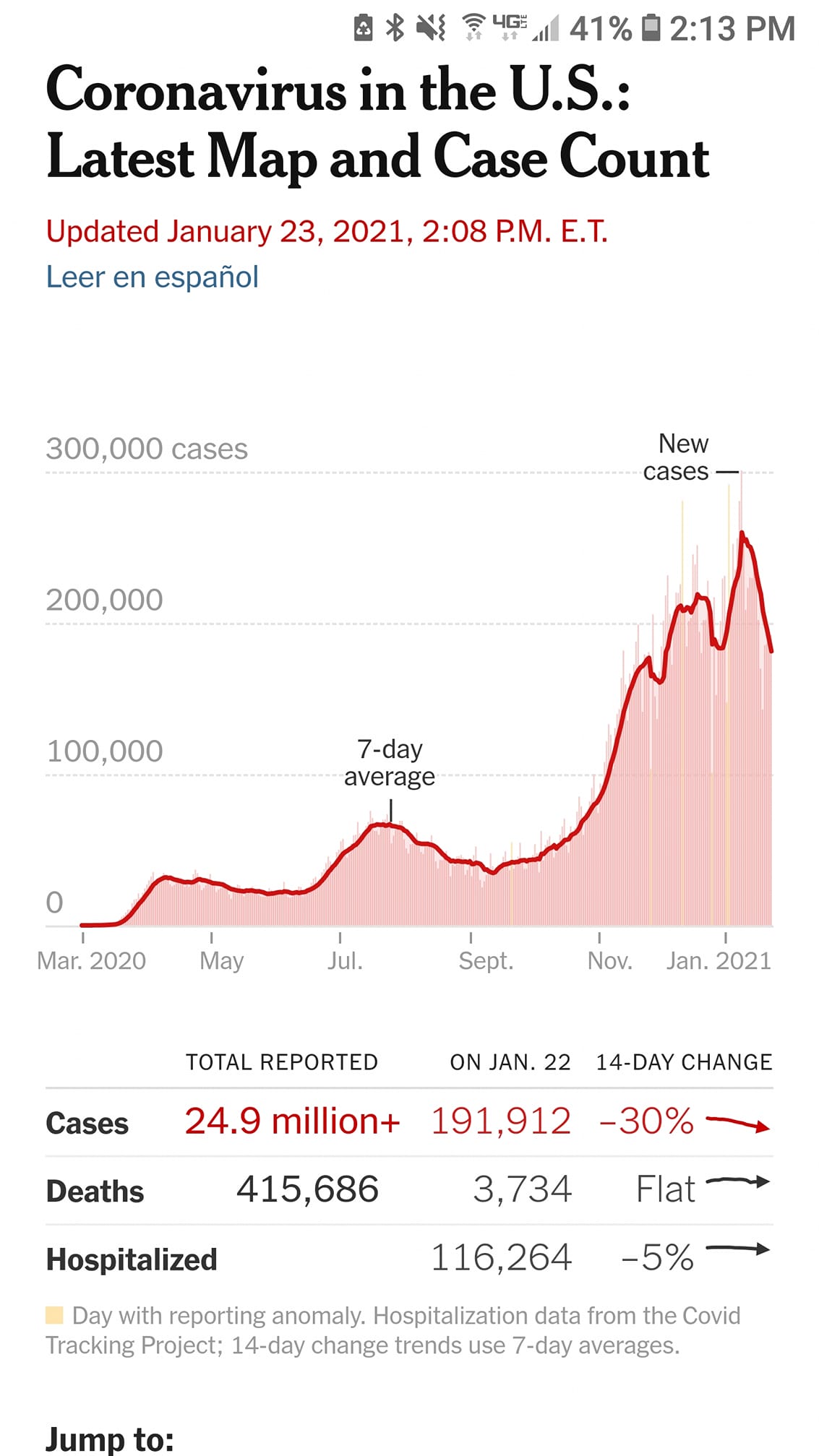
Today, the day I’m writing this piece, January 23, 2021 seams to be the current peak of the current COVID pandemic in the United States.  There has been a lot of reporting in the news about how the pandemic is peaking.  And currently, we are absolutely at a peak and it’s a horrible one.  Currently there are around 200,000 people a day testing positive and well over 3500 Americans dying everyday in America.  This peak is the highest number for both of these terrible metrics.  And correspondingly, we are starting to see, and expect to see a dip in both numbers.  People are very optimistic about all of this especially in light of the continued, albeit not effective, rollout of the vaccine.  That’s great, and if people do what they should, continue to mask, social distance and get vaccinated, this could become the beginning of a decline that leads to very low levels of infection and a resumption of very near to a pre-COVID level of normal life.  But if we don’t, well, this isn’t the first peak and a lesson we need to learn from that is that even after a peak, the numbers can go up, they have before.

covid, coronavirusAs you can see from the image above that shows the number of infections over time, that our current peak is the fifth and highest peak so we have experienced so far in this pandemic.  As you can see, the number of infections is declining sharply at the moment, just like it did for each of the last three peaks.  I also think it’s important to note that in the first two peaks of the virus, when we had higher participation rates in the shutdown and social distancing, we did in fact flatten the curve.  As people have tired of taking precautions and as we rolled into the holiday season, we failed miserably at flattening the infection curve.  The figure truly shows that simply and clearly, it’s up to us and as we’ve decided to act irresponsibly, infections have risen.  It also shows that there is a cycle to the infections, as infections rise, people do in fact get more careful and infection drops.

So, I’m also optimistic that this may be the beginning of a long-term decline in infection rates.  My optimism comes from first, that people are in fact showing up to get vaccinated.  Second, since things are so bad and people are starting to know someone who not just tested positive, but has had symptoms, they will, at least for a time, take the virus more seriously and take precautions.  The third is behavioral, in the western and southern parts of the US, weather starts improving from February into March giving people more options to be outdoors, reducing the perceived need to get together in indoor settings.  And, there are no traditional gathering holidays in front of us until Easter.  So I think this combination of factors means that we’ll see a decline in infection rates over the next three months.

There are of course caveats to my optimism.  If the issues with vaccine supply continue or get worse, if people’s optimism leads them to reducing precautions or if the new variants are indeed significantly more infectious than the rate of decline might slow.  If a number of these things come to pass, this may not be our last peak.

Wear a mask, socially distant and if able, get vaccinated.

Posted in personal happiness | Tagged , , , , , , , | Leave a comment